July 6, 2026 · 5-minute read
Pre-season pest control audit: the calendar of a Monaco palace
March-April, the pre-season: time to audit every room, suite and back-of-house zone before international guests arrive. Our 12-point protocol.
Pre-season: the window that decides everything
A Monegasque palace welcomes several hundred international guests each month at the height of the season. Every piece of luggage, every staff rotation, every supplier delivery is a potential vector for the introduction of pests. And each of these vectors moves through the building precisely when inspection becomes hardest: when rooms are occupied, when the restaurant is in service, when the housekeeping team is running at full tilt.
The pre-season — typically March and April on the French Riviera — is the only window in the year when you can genuinely audit your establishment from top to bottom. It is also the moment when the psychological pressure of forthcoming occupancy creates a sense of urgency that mobilises the teams. Well conducted, this inspection turns a permanent risk into a managed one.
The cost of an infestation detected in high season
Let us do the maths. A room closed for 72 hours for bedbug treatment = on average 2,à chiffrer lost revenue for a palace. Multiplied by the risk of spread to the two adjoining rooms (shared technical risers), one easily reaches 7,à chiffrer three rooms. Add the operational cost of a guest transfer (compensation, upgrade, goodwill gesture), the emergency communication to incoming agencies, the quality audit requested by the chain the following month: the total bill can exceed 15,à chiffrer an initially "minor" incident.
To this direct cost, add the indirect cost: a guest review going viral on Tripadvisor or Instagram, a the international hotel rankings rating that tumbles, a receptive contract that moves to the competitor. The fallout can be measured over 12 to 24 months.
The pre-season audit, which typically costs between 1,200 and 3,à chiffrer on the size of the establishment, is therefore a protection investment — not an expense.
Our 12-point protocol
1. Systematic visual inspection of mattresses
Seams, headboards, bed bases, skirting boards. One or two rooms per floor are statistically enough to identify a diffuse infestation. We look for: dark spots (faeces), exuviae (translucent moults), pearly eggs of 0.5 mm, and of course brown-red adults of 4-7 mm.
2. Encasing audit
Mattress encasings are effective — provided they are in good condition, correctly fitted and inspected at each turnover. An encasing torn even 1 cm becomes a hiding place rather than protection. We systematically check 100% of encasings during the audit.
3. Inspection of technical corridors
Risers, crawl spaces, refuse rooms, lift sub-frames. Rodents always start there. A well-kept corridor means visible cleanliness, properly sheathed cables, fire doors that genuinely close.
4. HACCP kitchen checks
Worktops, cold-room seals, flour and dried fruit storage, under sinks, behind ovens. A professional palace kitchen concentrates every attractant (sugar, fat, water, heat, nooks). Complete cockroach-and-moth audit, systematic photography of critical points, comparison with the previous year's report.
5. Audit of outdoor spaces
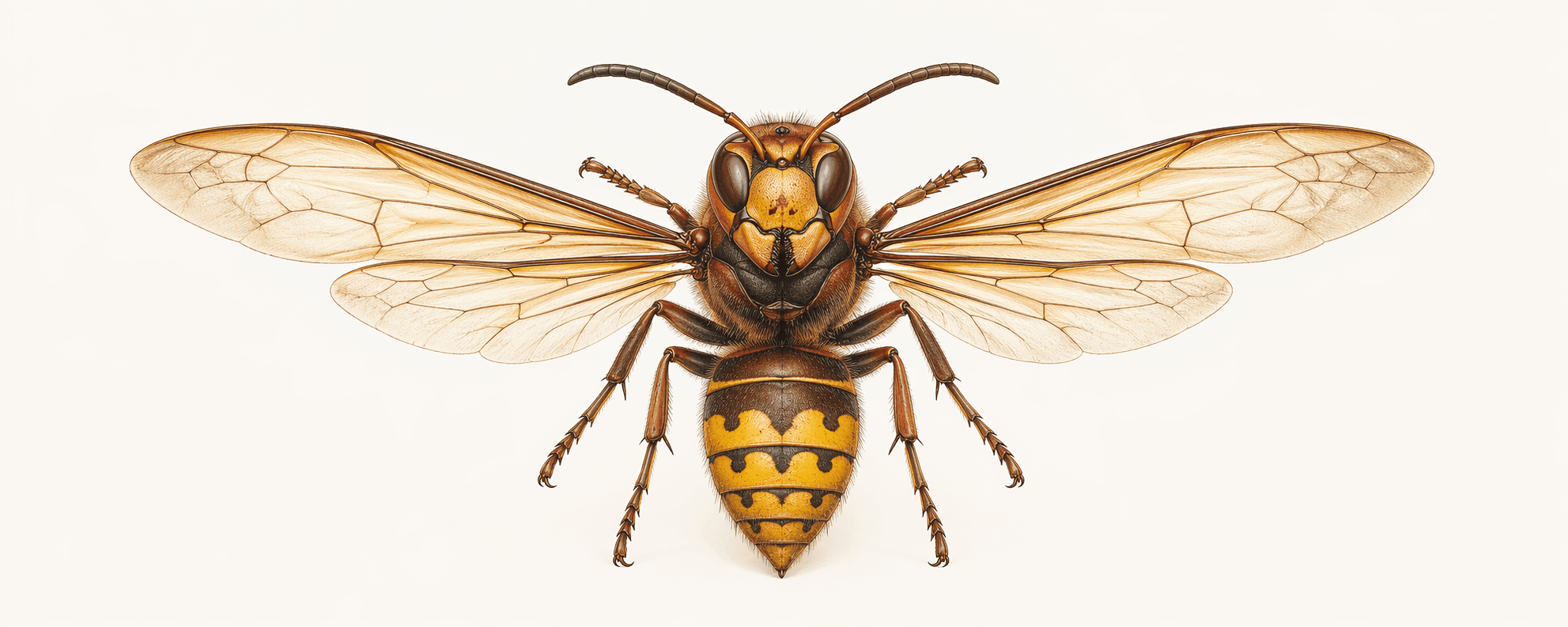
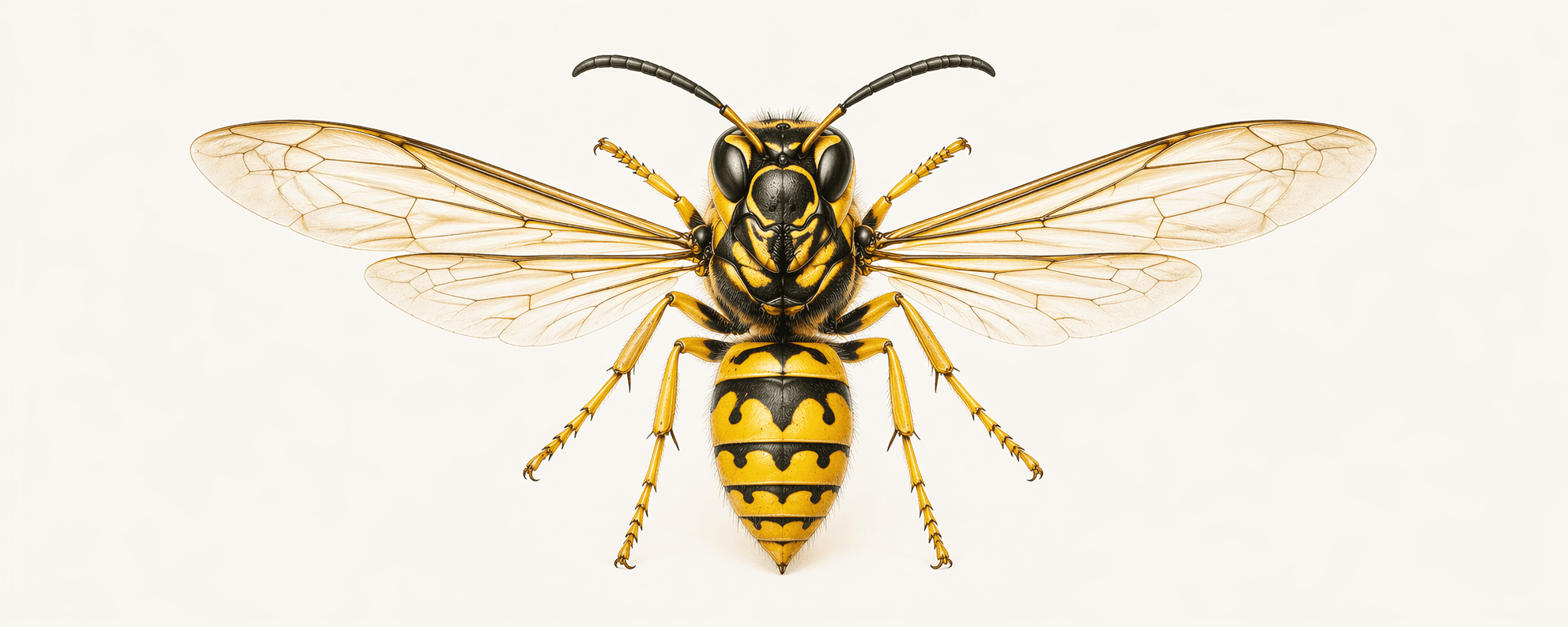
Terraces, gardens, swimming pools, ornamental basins. Tiger mosquito larval sites (any standing water over 7 days old), primary hornet nests (April = now is the moment), pigeon deposits on cornices.
6. Check of priority guest rooms
Royal suites, presidential suites, sea-view suites: particular targets for VIP guests. Detached headboards, inspected skirting boards, opened electrical sockets — all the known hiding places. Systematic photography for inter-season comparison.
7. Crew mess and staff rooms
Often less scrutinised, more at risk (turnover, international crew travel). Inspection identical to guest rooms. The golden rule: "no one, neither guest nor staff, should ever see a sign of infestation".
8. Laundry premises
Soiled linen isolation protocols, control of bags and trolleys, strict separation of clean linen. A laundry is the #1 spread point between rooms — a single carrier mattress can contaminate 20 rooms in 72 hours via the trolleys.
9. Verification of access seals
Façade, roof undersides, roof access points, technical openings. For pigeons and rodents, preventive sealing is ten times cheaper than curative treatment.
10. Updating of the risk map
Which zones have moved into the red since last year? Which have been remediated? The audit report produces a zoned plan that drives the entire coming season. Without a map, the 360° contract is a blind contract.
11. Briefing of housekeepers and heads of service
Recognising a bedbug sign. Raising the alarm immediately. Not moving the linen. Not calling internal technical services — going through the quality officer. These 4 reflexes are worth ten months of audit.
12. Deployment of sentinel traps
Cockroach pheromones in the kitchen, bedbug interceptors under bed feet in at-risk rooms (international clientele, high-turnover suites), secured bait stations in technical zones. Each trap numbered, geolocated, accessible on the client dashboard.
Optimal timing on the French Riviera
The audit should be carried out between 4 and 8 weeks before the season opens. For a palace open all year round (most common in Monaco), we recommend two annual audits: one in late February-early March for the spring-summer season, one in late September for the autumn-winter season. This cadence aligns the arrangement with the double-peak Riviera footfall (Grand Prix, summer events, end-of-year festivities).
Why MPS
Our hotel audits are conducted by Certibiocide-certified technicians, in discreet civilian dress, in an unmarked vehicle. No resident guest ever sees a pest control team in uniform. The signed digital report is delivered quickly and is admissible for the international hotel rankings, the independent luxury hotel alliances, the high-end hotel groups audits and for Monegasque and French safety commissions.
Contractual NDA is systematic. No establishment name appears in our external communications — that is a signature of our palace clientele.
*Do you manage a palace, a hotel or a boutique hotel in Monaco or on the French Riviera? Request your pre-season audit — free of charge, response as soon as possible.*
Zones served in Monaco and on the Riviera
We operate in particular on Villefranche-sur-Mer and Antibes.