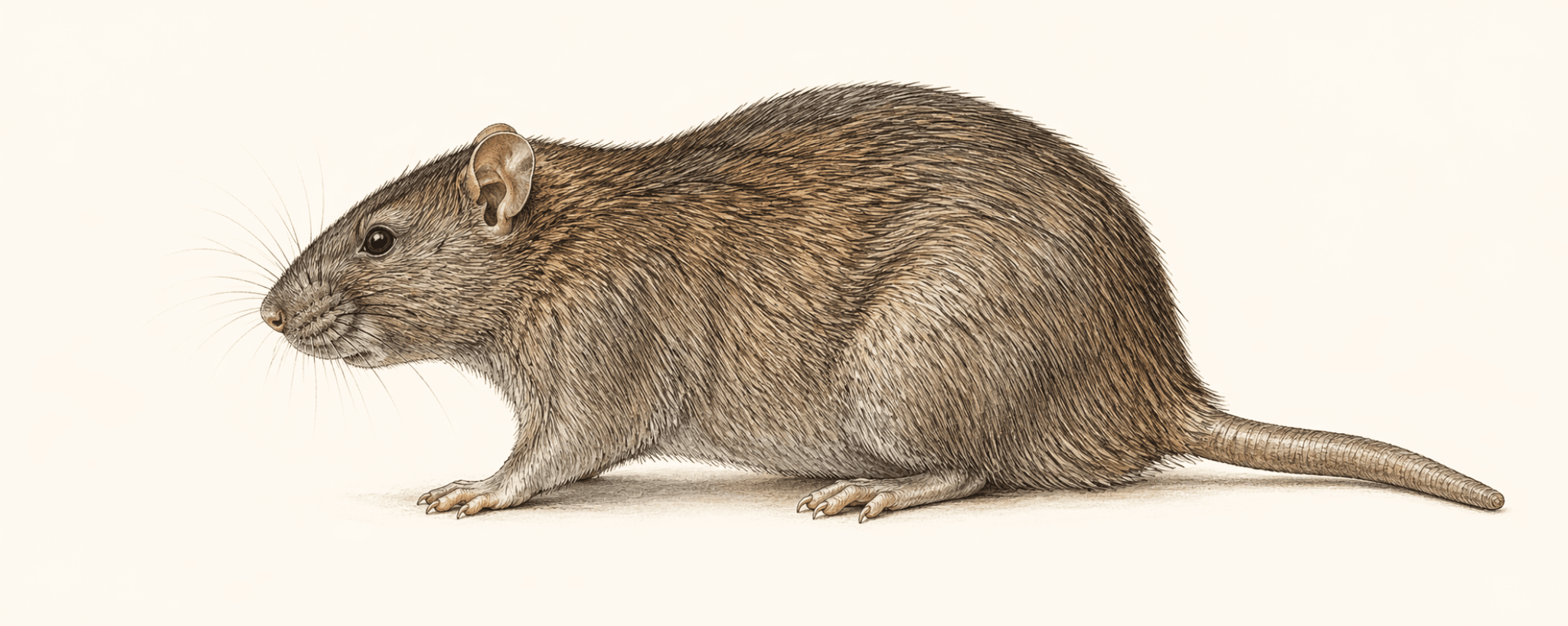
September 28, 2026 · 4-minute read
Cockroaches in a spa-resort kitchen: treatment without closure
Room service, pool snack bar, spa areas: these secondary kitchens attract cockroaches. Our targeted protocol deals with them without closing.
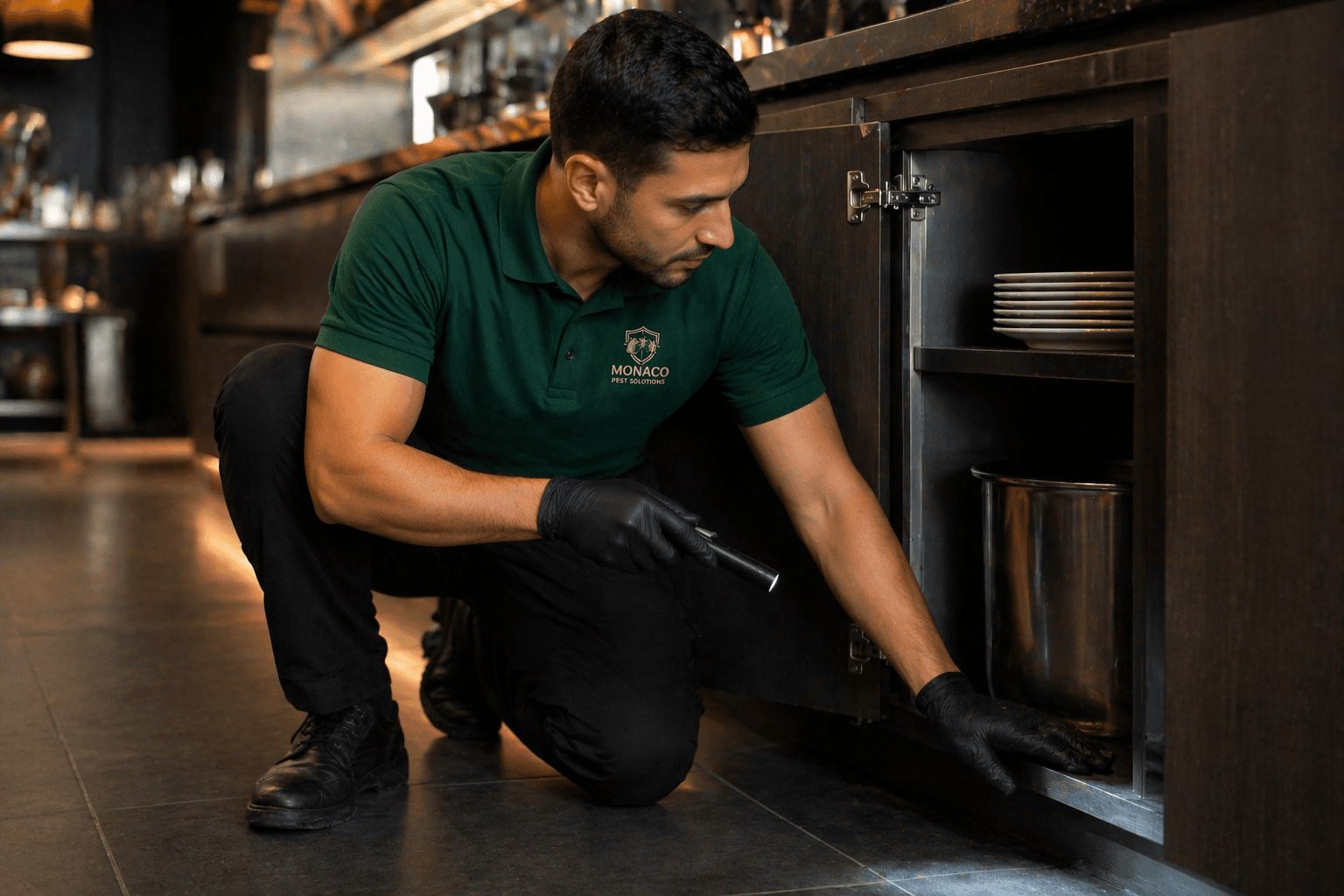
In a spa resort, the main kitchen gets all the attention: daily cleaning, hygiene checks, a HACCP plan followed to the letter. Secondary kitchens slip under the radar more easily: the room service pantry, the pool snack bar, the spa juice bar, the staff kitchen. Yet they are often where the first cockroaches settle, out of sight.
Add the heat and humidity of saunas, hammams and plant rooms, and you bring together everything cockroaches look for: dark, warm, damp corners close to food. Here is how to spot the problem and deal with it without interrupting service.
Why secondary kitchens are so exposed
- Intermittent activity: the pool snack bar closes in the evening and the floor pantry works in waves; crumbs and moisture are left with no one around.
- Equipment that is always warm: ice machines, refrigerated display cabinets, glass washers and coffee machines offer warm motors where cockroaches settle.
- Frequent deliveries: cardboard boxes and crates regularly bring in insects or their oothecae, the cases that protect their eggs.
- Multiple circulation routes: room service trolleys, service lifts, technical ducts and back-of-house corridors connect the spa, the guest floors and the kitchens.
- A warm, humid spa: around saunas and hammams, plant rooms, the laundry and false ceilings make ideal hiding places.
Identify the species to choose the right protocol
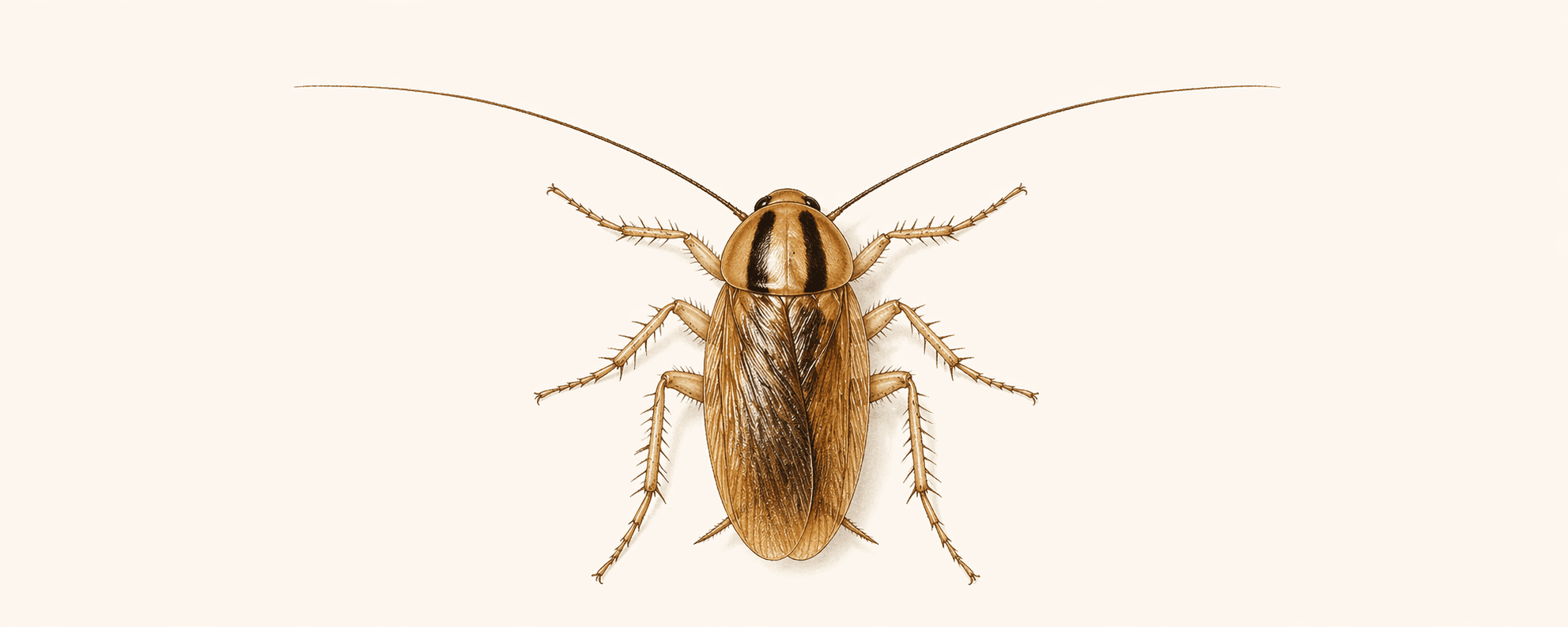
In kitchens, the most common species is the German cockroach: small, light brown, with two dark stripes behind the head. It breeds very quickly and colonises the smallest cracks near heat sources. In plant rooms, wastewater networks and basements, you are more likely to find the oriental cockroach, larger and almost black, or the American cockroach, large and reddish-brown. Each species has its own hiding places and behaviour: identification determines everything else. Our cockroaches page helps you tell them apart.
The signs that should alert your teams
- cockroaches seen during the day: as they are nocturnal, seeing them in daylight often points to a population that is already large;
- droppings resembling ground pepper or coffee grounds in drawers, under worktops and around motors;
- brown oothecae and shed skins in corners;
- a persistent musty smell in a cupboard or plant room.
The right reflexes, and what to avoid
Note where and when the insects are seen, photograph them and, if possible, keep one in a sealed bag to help with identification. Remove cardboard, store food in closed containers, fix leaks and empty the bins before closing.
On the other hand, avoid shop-bought insecticide sprays: they scatter cockroaches into other areas, leave residues in a food area and make the baits placed afterwards less attractive.
Our protocol for treating without closing the kitchen
Our aim is to treat without interrupting service, while respecting your HACCP procedures. The protocol follows our four-step method:
- A free, targeted audit: inspection of all secondary kitchens and spa areas, species identification, location of hiding places and entry points.
- A personalised action plan: priority areas, hygiene and structural corrections (seals, cracks, duct penetrations), and a schedule that fits around your service times.
- A discreet intervention: during off-peak hours, with a team wearing no distinctive signs if you wish. Treatment is graduated: mechanical measures first, then targeted chemical treatment with approved biocidal products. Against the German cockroach, the benchmark is gel bait, applied in small dots in cracks and behind equipment, never on food-contact surfaces. Unlike spraying, it does not require the premises to be evacuated: this is what usually makes it possible to stay open.
- Reporting and follow-up: an electronically signed report with photos in your client area, and a treatment certificate you can download for hygiene inspections. A check after treatment remains essential, as oothecae protect the eggs from insecticides.
For wider treatment of crawling insects, discover our insect control service.
Contamination in the middle of service?
An active infestation in a kitchen or contamination in a food area falls under our 24/7 on-call service, triggered after a first phone call. We call you back within 6 hours, 7 days a week, to organise the intervention at the moment that least affects your guests. Discover also our dedicated support for the hotel sector.
Protect your resort's kitchens
A spa resort in Monaco, a seaside hotel in Cap-d'Ail or an establishment elsewhere on the Riviera: ask for a free audit of your secondary kitchens and plant rooms before the problem reaches the main kitchen.
Request your free quote or call +377 37 70 70 02: reply within 6 hours.
Frequently asked questions
- Does the kitchen have to close to treat cockroaches?
- Usually not: unlike spraying, a targeted gel bait treatment carried out during off-peak hours does not require the premises to be evacuated. The decision does, however, depend on the extent of the infestation, which is assessed during the audit.
- Why do cockroaches appear first in secondary kitchens?
- Pool snack bars, room service pantries and spa bars operate intermittently, receive many deliveries and house warm equipment. They offer warmth, moisture and food, with less supervision than the main kitchen.
- What should I do if cockroaches appear during service?
- Note where and when you see them, protect food and do not use an insecticide spray. Call +377 37 70 70 02: contamination in a food area triggers our 24/7 on-call service, with a call back within 6 hours.