August 11, 2026 · 8-minute read
Spider problem in Monaco: what to do in an emergency? Complete guide
Webs coming back, spiders in the villa or on the yacht? Our 8 steps in Monaco: identification, strategic web removal, targeted treatment, prevention.
What should you do if spiders proliferate in your Monaco home? Start by cutting off their pantry: spiders only settle in numbers where flying insects abound. Vacuum webs and egg sacs, fix the outdoor lighting that attracts their prey, then treat facades and entry points if pressure persists. A spider proliferation is almost always the symptom of another imbalance — that is what needs treating. Here is the full protocol applied on the Principality's villas, terraces, facades and yachts.
Identify spiders: the unmistakable signs
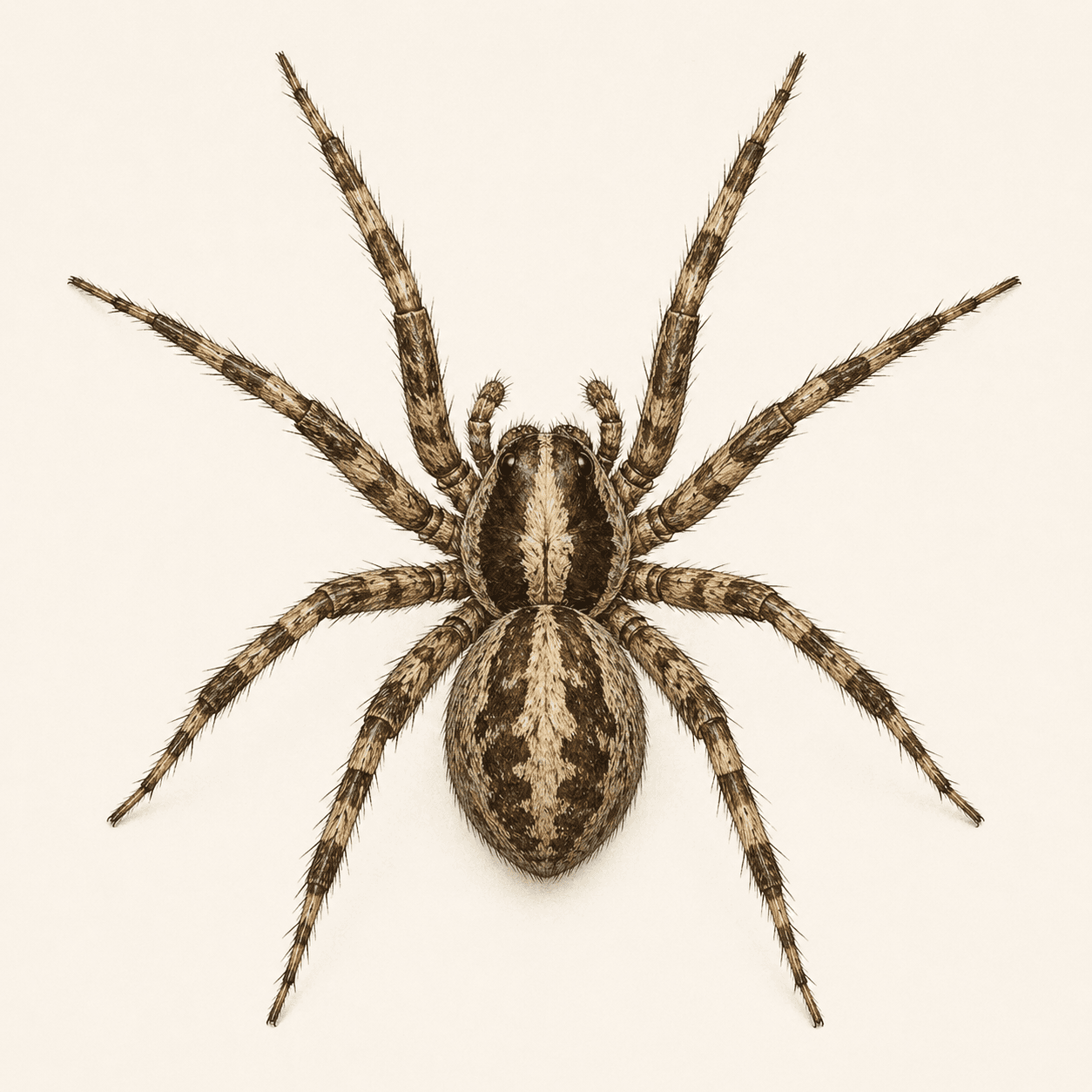
Almost all Riviera spiders are harmless and even useful — each consumes hundreds of insects a year. The point is to distinguish normal presence from proliferation, and to spot the rare species worth watching. The cellar spider (daddy long-legs): long thin legs, irregular webs in high corners, cellars and garages — totally harmless, it even hunts other spiders. The giant house spider: large, brown and fast in garden-level rooms and basements, sheet webs with a funnel — impressive but shy and harmless. Orb-weavers on facades: regular geometric webs rebuilt nightly around light fittings and lit balconies — the classic marker of lighting that attracts prey. Species to watch: the Mediterranean black widow (globular black abdomen with red marks, dry-stone walls and sunny scrub, never in living rooms) and the recluse (small, brown, discreet, behind skirting and stored boxes) — bites remain extremely rare and occur only when the animal is compressed. Proliferation indicators: webs rebuilt within 48 hours of cleaning, spherical white or beige egg sacs in corners, dozens of juveniles after a hatch. Action: photograph specimens in place with a scale reference, without handling them, and count active webs per zone — this baseline will measure your progress.
What NOT to do (mistakes that worsen the infestation)
Do not spray insecticide through the whole house: spiders, barely exposed to surface treatments (they touch the ground only with leg tips), survive — while their prey and predators disappear, and the rebound favours them. Never crush a spider against skin or inside clothing: that is the only bite scenario for shy species; capture with glass and card, release outside. Do not ignore the cause: cleaning webs without fixing lighting or damp is repainting without fixing the leak — webs return within 48 hours. Do not leave cardboard and clutter on the floor of cellars, garages and holds: the favourite habitat of discreet species, recluse included. Do not systematically destroy garden spiders: every orb-weaver removed means hundreds more mosquitoes and midges around your terrace. Action: before any treatment, answer one question — what is feeding these spiders? Night lighting, open bins, damp, a water feature: the answer dictates the strategy.
Immediate first steps (secure everything in 15 minutes)
Minutes 0-6: methodically vacuum webs, spiders and above all egg sacs — ceiling corners, behind furniture, window frames, under stairs; bin the bag outside straight away. Egg-sac removal is the most profitable act of the fifteen minutes: every sac removed is dozens of juveniles prevented. Minutes 6-10: switch the outdoor lighting: turn off non-essential fittings and plan the swap of cold-white bulbs for amber or yellow LED — it attracts up to ten times fewer insects, hence ten times less prey. Minutes 10-13: close unscreened lit windows at nightfall — the flying-prey highway indoors. Minutes 13-15: capture bothersome specimens in living rooms with a glass and release them outside. Action: note the zones where webs reappear within 48 hours: those hotspots will guide targeted treatment.
Isolate and contain to prevent spread
Entry points: fit fine screens on windows of rooms lit at night, brush strips on garden and garage doors, and seal cable and pipe penetrations on the facade. Storage zones: raise cellar and garage boxes onto shelving and replace cardboard with closed plastic crates — you remove the discreet species' habitat and the unpacking surprise. Outdoors: move woodpiles, stones and composters away from house walls; clear vegetation touching facades and window frames. At-risk textiles: where a recluse is suspected, shake shoes, garden gloves and stored clothing before use — the reflex that prevents most bites. Yacht: spiders board via hawsers, gangways and provisioning boxes, then proliferate in holds around deck lighting that concentrates prey; inspect mooring lines and store in closed crates. Action: treat this chapter as an audit — every corrected point durably reduces the site's carrying capacity, independently of any product.
Call a certified professional: when and why
Most domestic situations are solved by the measures above. Call a professional when: a black widow or recluse is suspected near living areas, webs return massively within 48 hours despite your corrections, a hatch has released dozens of juveniles indoors, or the site demands a constantly flawless appearance (palace facade, yacht teak, restaurant terrace). Monaco Pest Solutions operates under Certibiocide N°121134 (RCI Monaco 26S10394) with: formal identification of risk species and location of their refuges (low walls, stone piles, outdoor meter boxes) — a black widow is not treated like a cellar spider; targeted residual treatment of facades and hotspots with professional-grade actives and dosages; a root-cause approach — audit of lighting, damp and prey populations, since treating the prey (mosquitoes, midges) collapses spider pressure without chasing the spiders themselves; rope-access work for facades, glass roofs and masts; and discreet interventions scheduled away from guests. Black widow suspicion in a plant room or hold? Our 24/7 emergency line arranges identification and securing within 24 hours.
The MPS eradication protocol: 4 phases
Phase 1 — Audit and identification (day one): inventory of species present, active-web count per zone, audit of attraction factors (lighting, damp, prey, storage), action plan with hotspot mapping. Phase 2 — Mechanical sanitation (day one): complete removal of webs and egg sacs by pole and professional vacuum, including at height; capture and relocation of useful specimens; specific treatment of risk-species refuges where needed. Phase 3 — Cause correction and barrier (days 1-7): lighting reconfiguration (spectrum, orientation, timers), screens and sealing, targeted residual facade and entry-point treatment, prey-population reduction if necessary. Phase 4 — Seasonal control (day 30, then spring/autumn): comparative web counts, facade touch-ups before the two seasonal peaks, follow-up report for sites under contract.
Prevention so spiders never return
Reasoned lighting: amber LEDs outdoors, timers and sensors rather than permanent lighting, fittings away from openings — the single most effective measure. Regular dusting: a monthly pass of the web pole through high corners, cellars and garages removes webs and sacs before hatching. Clean facades: vegetation pruned 30 cm off the walls, window frames washed in spring, cornices inspected in autumn. Closed storage: plastic crates rather than cardboard, shelving rather than floor, in every storage zone. Prey management: screens, closed bins, no stagnant water in saucers — fewer flying insects mechanically means fewer spiders. Selective tolerance: keep cellar spiders in the basement and orb-weavers in the garden; they work for you — focus control on living rooms and risk zones. Riviera species profiles and our protocols on our spiders page.
Special cases: villa, palace hotel, yacht
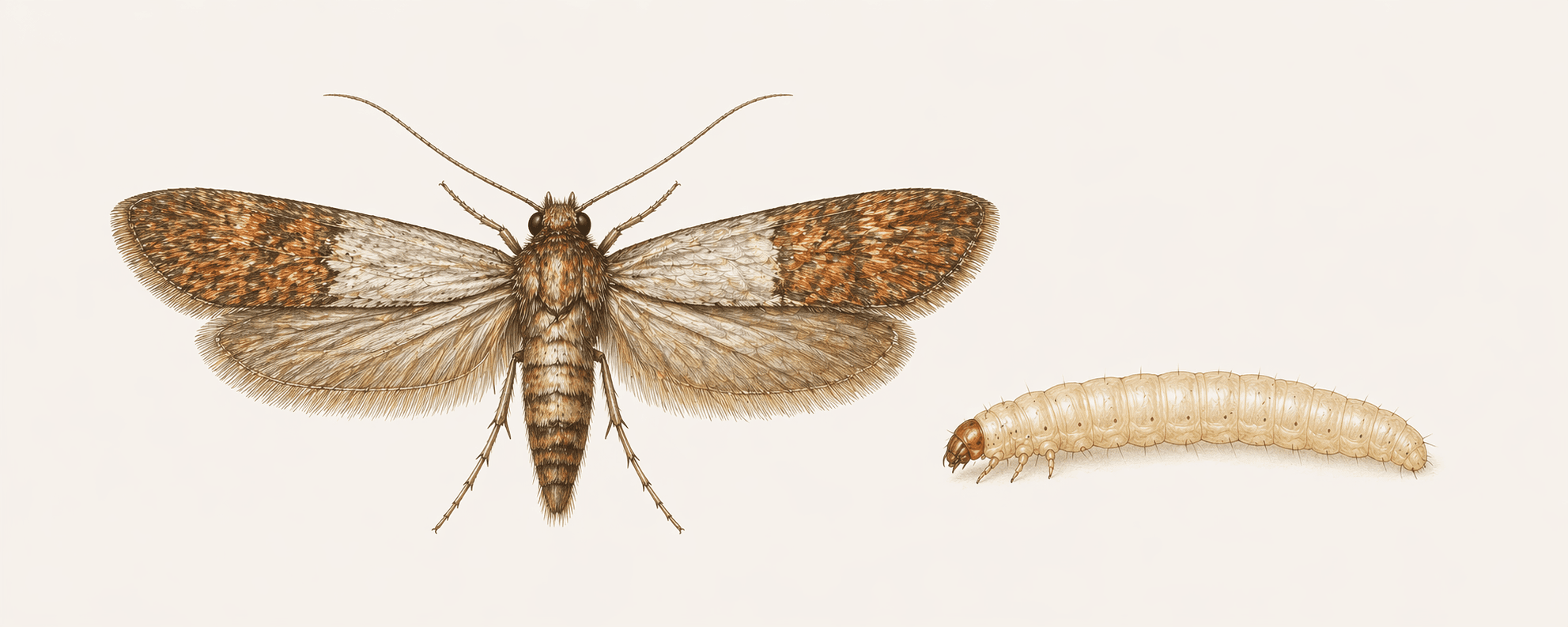
Villa: the black spots are dry-stone walls (habitat of the Mediterranean black widow), pool houses and cellars. Our twice-yearly visit combines mechanical removal, wall checks and a facade barrier before each season. Palace and residence: on a lit Belle Époque facade, every web shows from ten metres. We run a facade contract: monthly mechanical removal in visible zones, cornice treatment by rope access, ornamental-lighting reconfiguration with less attractive spectra — the aesthetic result is contractual. Yacht: webs between the guardrails at dawn, juveniles in the holds: pressure builds dockside, near harbour lighting. Pre-charter protocol: complete removal, treatment of web anchor points, amber courtesy LEDs and hawser inspection. Next step: request your free quote for a spider audit, or call the 24/7 emergency line if a risk species is suspected. Many spiders means much prey: if midges or moths fly around the kitchen at dusk, also read our guide on pantry moth problems in Monaco — treating the prey often extinguishes the predator.
Zones served in Monaco and on the Riviera
We operate in particular on Menton and Saint-Jean-Cap-Ferrat.
Frequently asked questions
- Are Monaco's spiders dangerous?
- Almost all are harmless and useful. Two species deserve attention: the Mediterranean black widow (sunny low walls and scrub) and the recluse (storage nooks). Their bites remain extremely rare and only occur through accidental compression.
- Why do I have so many spiders when my house is clean?
- Cleanliness is not the factor: spiders follow their prey. Cold-white outdoor lighting, unscreened lit windows or a water feature attract flying insects, and spiders settle to hunt them. Fix the lighting and the pressure drops.
- Should spiders be killed or released outside?
- Release them: each spider consumes hundreds of insects a year, mosquitoes included. Capture with a glass and card in living rooms, and tolerate cellar spiders in the basement and orb-weavers in the garden — they are your first line of insect defence.
- How do I stop webs coming back on my lit facade?
- Three combined levers: switch fittings to amber LED (up to ten times fewer insects attracted), mechanically remove webs and sacs monthly, and apply a professional residual treatment on recurrent anchor points before the spring and autumn peaks.
- What should I do if I suspect a black widow in my Monaco garden?
- Do not handle it: photograph it from a distance with a scale reference and note the exact location (low wall, stone pile, meter box). Keep children and pets away from the zone and call a professional: formal identification and refuge securing are done within 24 hours.