October 10, 2026 · 4-minute read
Winter dust mites in Monaco: heating, bedding and allergies
Heating on, windows shut: winter makes dust mite allergies worse in Monaco. Symptoms, good habits and steam treatment for your bedding.
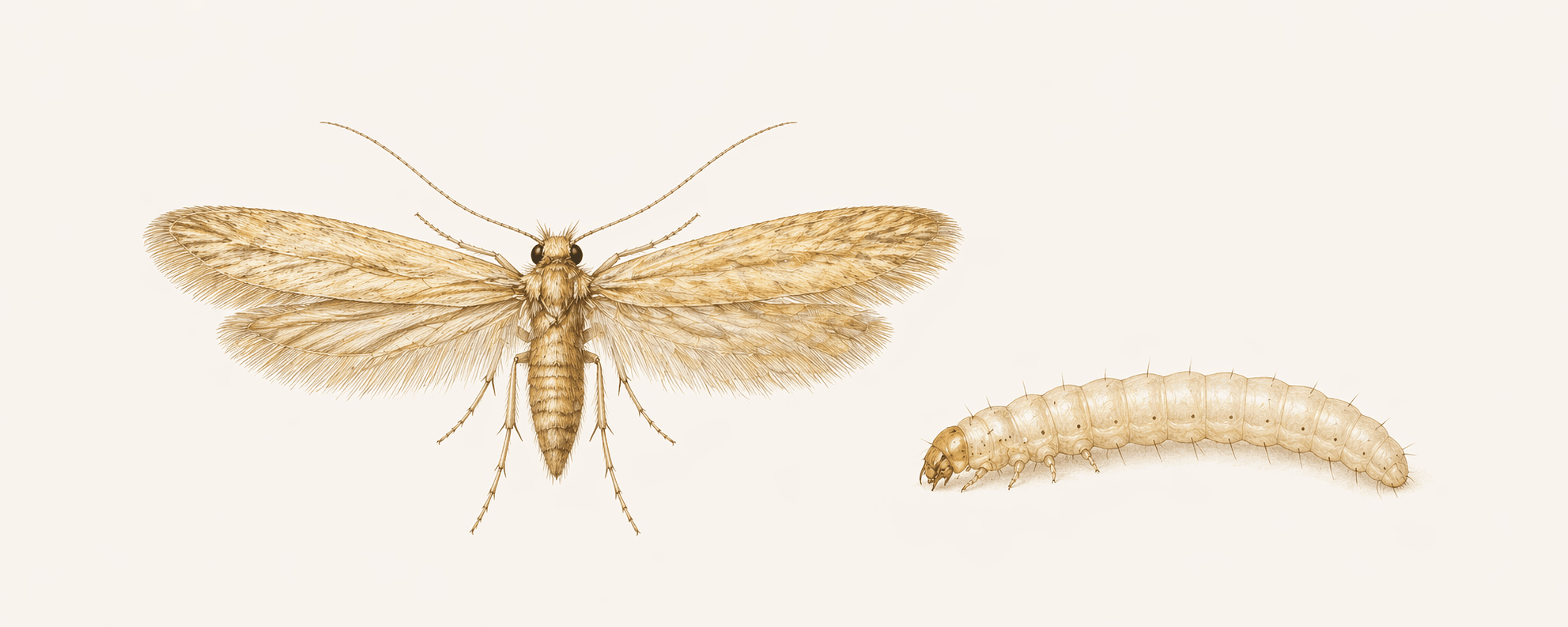
House dust mites (Dermatophagoides pteronyssinus and Dermatophagoides farinae) are among the main causes of year-round respiratory allergies. In autumn and winter, when the heating is on and the windows stay closed, exposure to their allergens increases: homes are less well ventilated, dust is stirred back into the air, and bedding is warm and damp. The result: rhinitis, conjunctivitis, night-time asthma, unexplained fatigue.
1. Why dust mite allergies get worse in winter
Ideal conditions: 22 to 25°C, 70 to 80% relative humidity and food. An occupied bed recreates this microclimate every night, thanks to body heat and the moisture from perspiration and breathing. Heating dries the room air, but in a poorly ventilated home, showers, cooking and drying laundry keep humidity high.
Food. Dust mites feed on the flakes of skin we shed every night: an occupied bed offers them an inexhaustible supply of food.
Reproduction. A female lays several dozen eggs, and development from egg to adult takes about a month in good conditions. Without regular care, the population in a mattress can grow quickly, and with it the quantity of allergens (mite droppings and debris).
2. Typical allergy symptoms (do you recognise yourself?)
- Blocked nose or rhinitis on waking, easing during the day
- Sneezing when changing the sheets or vacuuming
- Red eyes, itchy eyelids in the morning
- Dry cough at night with no infection
- Night-time asthma (attacks at night or in the early morning)
- Eczema in the creases of the elbows and behind the knees
- Unexplained fatigue despite long nights
If several of these symptoms appear or worsen when the heating is on, and ease when you sleep elsewhere, a dust mite allergy is a serious possibility: talk to your doctor or an allergist, who alone can confirm it. To find out more, read our article on dust mite allergy: symptoms and treatment.
3. Our protocol against dust mites in bedding in winter
Our intervention follows our 4-step method: free audit, personalised action plan, discreet and graduated intervention, then an electronically signed intervention report with photos in your client area. In practice, against dust mites:
Phase 1 — Diagnosis
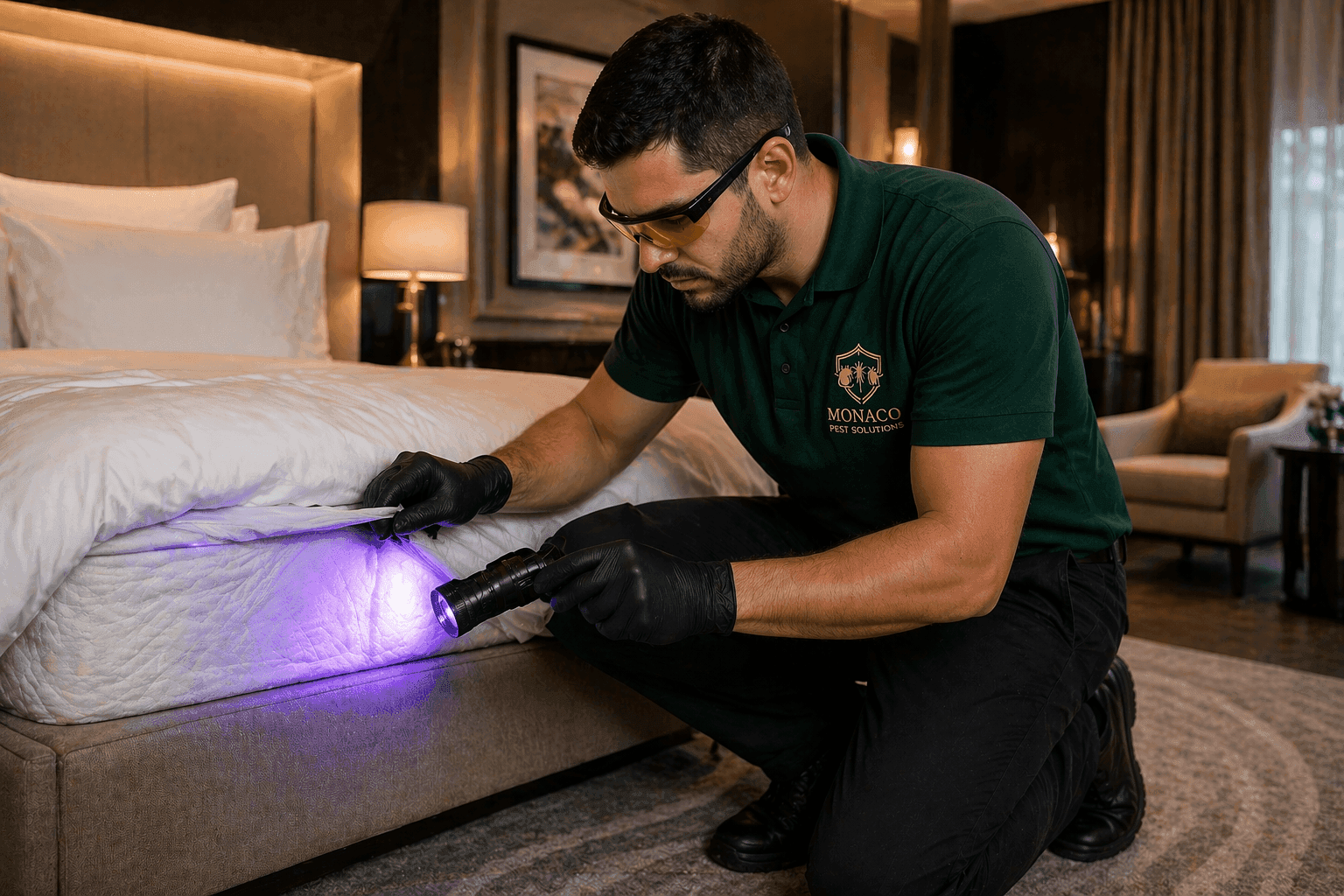
A free home visit: visual examination of the bedding, analysis of conditions in the home (ventilation, humidity, heating), identification of the main reservoirs (main mattress, baby's mattress, sofa, carpets, heavy curtains).
Phase 2 — Treatment
High-temperature dry steam on mattresses, pillows, sofas and carpets: mites and their eggs are destroyed on the treated surfaces. Zero biocide, zero residue.
HEPA-filter vacuuming of all upholstered furniture: the filter retains fine particles, including mite allergens, instead of blowing them back into the room.
Targeted acaricide treatment, as a last resort, on areas that cannot take steam and in the event of heavy infestation, with an approved biocidal product, with due care for occupants and pets.
Anti-mite covers: for the mattress and pillows, these covers made of very finely woven fabric form a mechanical barrier, without biocides; ask your allergist for advice.
Phase 3 — Good everyday habits
- Sheets: wash at 60°C minimum every week (this temperature kills dust mites)
- Pillows: wash regularly and replace roughly every two years
- Mattress: vacuum twice a month, and turn it if possible
- Humidity: aim for around 50%, with a dehumidifier if the hygrometer regularly reads above 60% (see our article on dust mites, humidity and air conditioning)
- Ventilation: 10 to 15 minutes a day with the windows wide open, even in winter
- Carpets: replace them with smooth floors in the event of a confirmed severe allergy
4. How often should you treat?
- Mild allergy: one treatment at the start of the heating season (October), combined with good bedding habits, is often enough.
- Moderate allergy: a second visit at the end of winter can be useful.
- Severe allergy: more regular treatment, anti-mite covers and follow-up by your allergist (possibly desensitisation).
- Baby or child: treatment of the bedroom before the child moves in, favouring biocide-free methods (steam, washing at 60°C, HEPA vacuuming).
The right frequency for your situation is set out in the personalised action plan drawn up after the free audit.
5. Dust mites and winter allergies: request your free quote
Key takeaway: dust mites are a common, and often overlooked, cause of fatigue, rhinitis and asthma in winter. Switching the heating on in October is the right signal to act: a steam treatment at the start of the season and good bedding habits will help you get back to more restful nights.
Every situation is different: we draw up a free, detailed quote after a visit or an initial conversation, before any intervention and without obligation. To find out more about these pests, see also our dust mites page.
Request your free quote or call +377 37 70 70 02: reply within 6 hours.
Frequently asked questions
- Does dry steam damage a latex or memory foam mattress?
- Applied in quick passes on the surface, dry steam, which contains very little moisture, suits most mattresses; also follow the manufacturer's recommendations. If you have doubts about a particular model, mention it during the free audit: the technician will adapt the method, for example by favouring HEPA vacuuming.
- Should I see an allergist for a test before having my bedding treated?
- It is not essential before having your bedding treated, but only a doctor or an allergist can confirm a dust mite allergy and propose suitable treatment. The two approaches complement each other: we act on the environment, the doctor on the allergy itself.
- How soon do symptoms improve after a treatment?
- It varies with the severity of the allergy, the home and how well good habits are kept up, such as washing sheets at 60°C every week. If symptoms persist, see your allergist to look for other possible causes, such as mould or pollen.
- How do I get my bedding treated for dust mites in Monaco?
- Request a free home audit: the technician examines your bedding and the conditions in your home, then sends you an action plan and a detailed quote, free and without obligation. Call +377 37 70 70 02 or submit your quote request online.