September 1, 2026 · 4-minute read
October: the critical window to rodent-proof your villa
With the first cool nights, rats and mice seek a heated shelter. Entry points, ducts, roof spaces: October's work spares you January's invasion.
On the Riviera, October marks a turning point. Nights grow cooler, garden fruit becomes scarce and autumn rains flood burrows and drains. Rats and mice then move closer to buildings in search of warmth, food and shelter for the winter. A villa, with its roof space, garage, pool house and plant rooms, offers them exactly what they are looking for.
Many second homes also close at this time of year. No one hears the scratching in the false ceilings or notices the first droppings in the pantry: by the time the owners return, the colony has settled in. Hence the value of acting now, before the rodents get inside.
Black rat, brown rat, mouse: who is knocking at the door?
On the Côte d'Azur, three species share the villas:
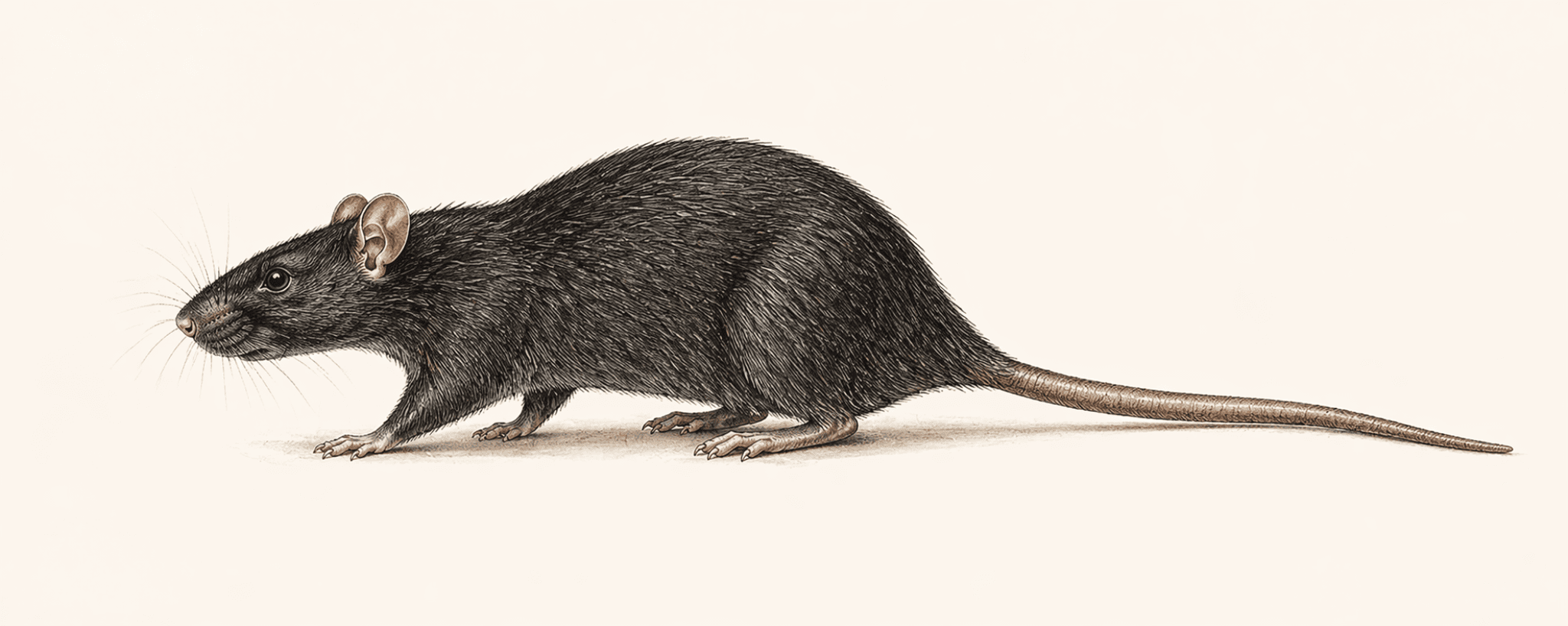
- The black rat: an excellent climber, it travels along palm trees, pines, climbing plants and roofs to settle in roof spaces.
- The brown rat, also called the Norway rat: it lives mainly at ground level, digs burrows in banks and under paving, and comes up through pipes and cellars.
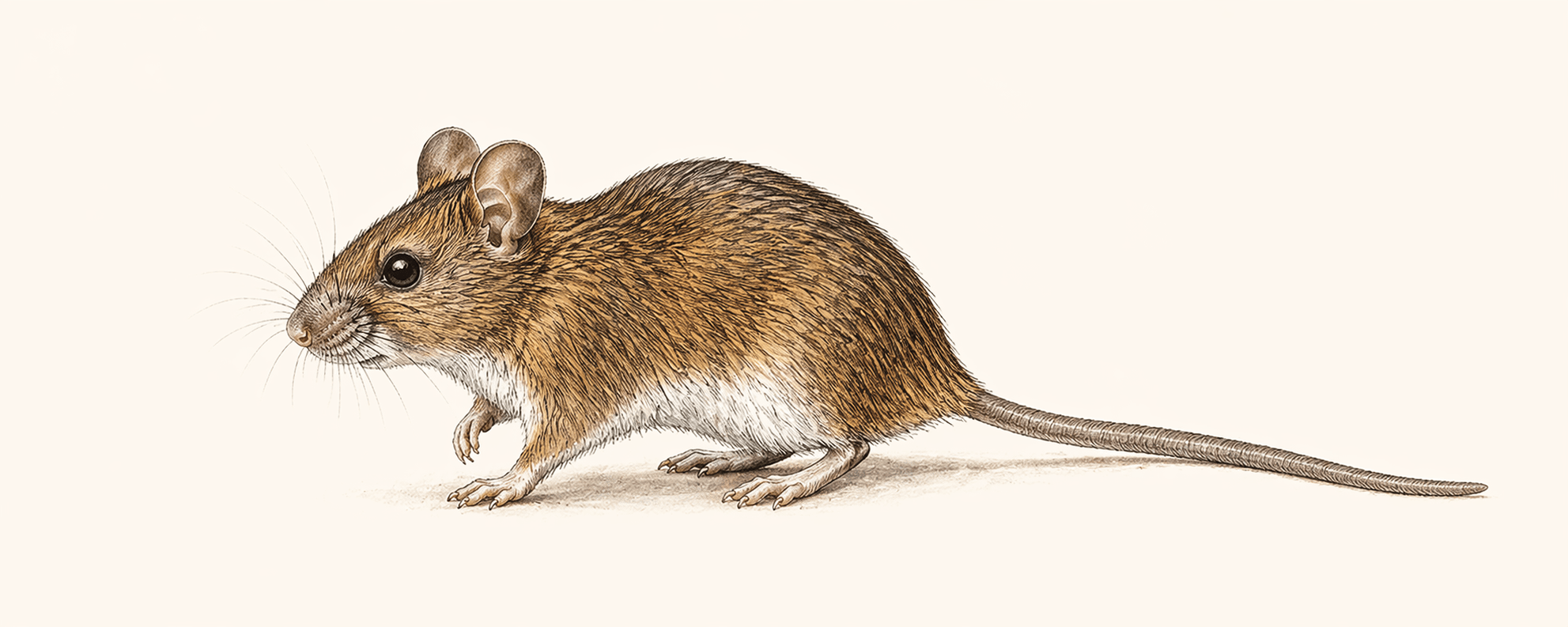
- The house mouse: discreet, it slips through a hole barely wider than a pencil and settles in wall linings, kitchens and cupboards.
Knowing which one is involved means you search in the right place: on the roof for the first, at ground level for the second, everywhere for the third. Our rats and mice page describes their habits in detail.
The October sealing checklist
Walk around the villa, from the roof down to the basement, checking each point:
- Duct and pipe penetrations: gaps around pipes, cables and air-conditioning lines can be filled with steel wool and a suitable mortar or sealant.
- Air vents and crawl spaces: grilles with fine metal mesh, in good condition and firmly fixed.
- Garage, cellar and plant room doors: a brush or rubber door sweep, with no gap at floor level.
- The roof: displaced tiles, ridges, roof overhangs, gutters and downpipes.
- Vegetation: branches, palm trees and climbing plants (wisteria, bougainvillea, ivy) touching the façade or roof should be cut back to remove the bridges to the roof space.
- Drains: inspection chambers, floor drains and damaged pipes; a non-return valve can stop rats coming up from the sewers.
One essential rule: never block an entry point unless you are certain that no rodent is inside. Trapped, the animal will gnaw its way out elsewhere or die inside a wall.
Making the garden less attractive
- pick up fallen fruit (citrus, figs, persimmons) and do not leave pet food outside;
- close compost bins and dustbins, ideally inside a closed store;
- move woodpiles and stored equipment away from the walls;
- clear the base of hedges and low walls.
Signs that rodents have already moved in
If rodents are already there, they leave clues: spindle-shaped droppings for rats, rice-grain-sized ones for mice, gnawed packaging, cables or insulation, greasy smears along walls, scratching in the ceilings at night, a smell of urine. The damage is not only material: gnawed cables and the risk of fire, soiled insulation, and transmissible diseases such as leptospirosis. For rats living under the roof, also read our article on rats in roof spaces.
Avoid scattering poisoned baits yourself: they put your children, dogs and cats as well as garden wildlife at risk, and a rodent that dies inside a wall lining causes lingering odours.
How MPS closes your villa to rodents
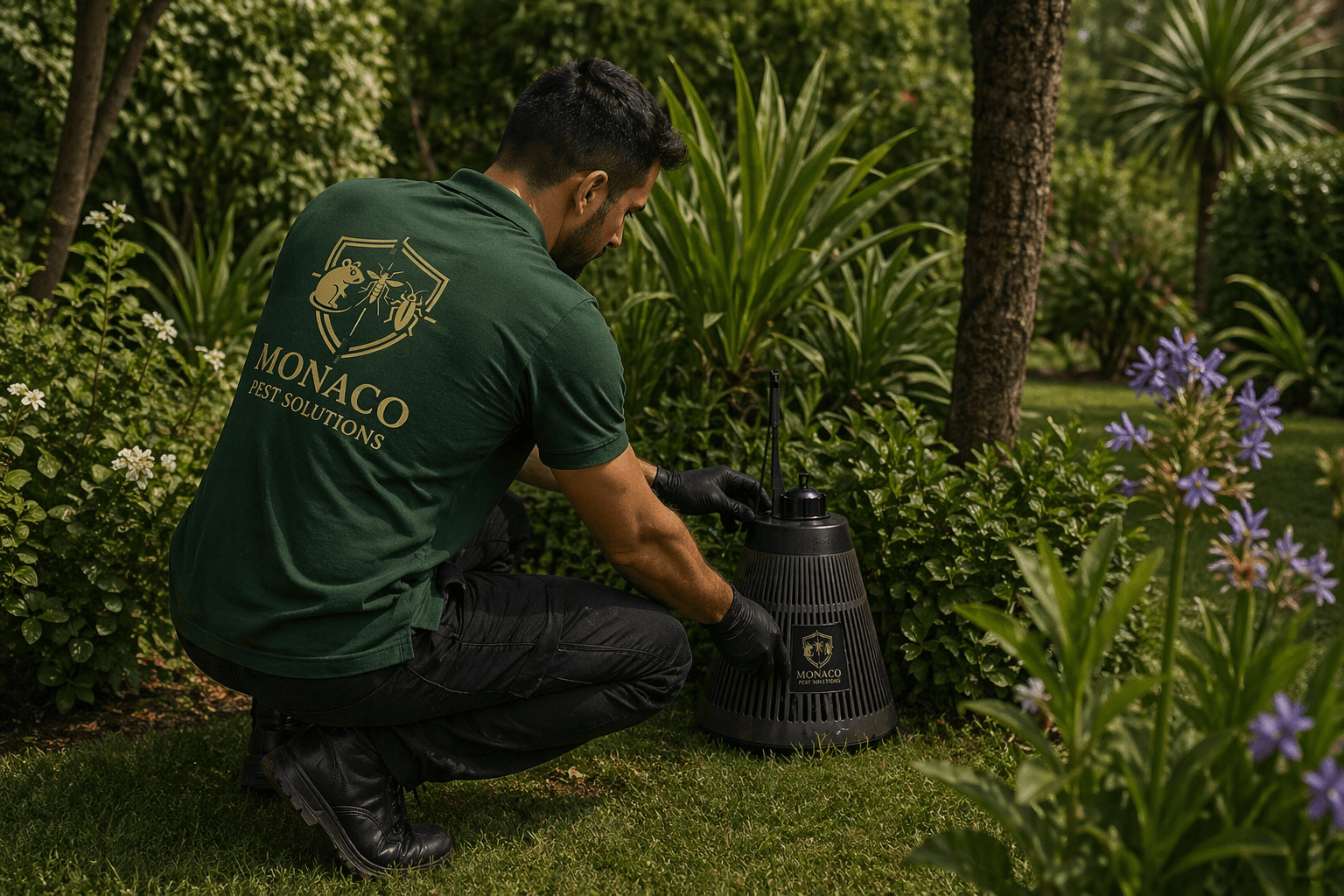
Our autumn audit is free and takes place on site: visual and acoustic inspection of roof spaces, false ceilings and plant rooms, species identification, and location of every entry point, from the roof to the drains. You then receive a personalised action plan: entry points to seal in order of priority, changes to the garden, monitoring measures.
The intervention follows a graduated approach: mechanical measures first, such as sealing and traps, then, if necessary, targeted chemical treatment with approved biocidal products, placed in secure stations to protect your pets and the garden's biodiversity. It comes with digital monitoring, and every visit produces an electronically signed report with photos that you can view in your client area: a real advantage if you spend the winter away from the Riviera. Discover our rodent control service and our support for villas and private residences.
Have your villa checked before winter
A villa in Saint-Jean-Cap-Ferrat, in Roquebrune-Cap-Martin or in the hills above Monaco: book a free audit of your entry points in October. In the event of an active infestation, our 24/7 on-call service is triggered after a first phone call, and we call you back within 6 hours.
Request your free quote or call +377 37 70 70 02: reply within 6 hours.
Frequently asked questions
- Why act in October rather than in the middle of winter?
- Because rodents look for shelter as soon as the first cool nights arrive. Closing the entry points before they come prevents a colony from settling in your roof space or wall linings for the winter.
- Can I block the holes around my villa myself?
- Yes for small, clearly visible gaps, using steel wool and a suitable sealant, provided you are certain that no rodent is inside. For a complete diagnosis, from the roof to the drains, a free on-site audit remains the safest option.
- My villa is closed all winter: how can I keep track of the situation remotely?
- Every intervention produces an electronically signed report with photos, which you can view in your online client area. To arrange the audit, call +377 37 70 70 02 or message us on WhatsApp at the same number.