
September 12, 2026 · 4-minute read
Yacht crew mess: the area most exposed to cockroaches
Heat, humidity, meals at all hours, deliveries at every port of call: why a yacht's crew mess attracts cockroaches, and how to protect it.
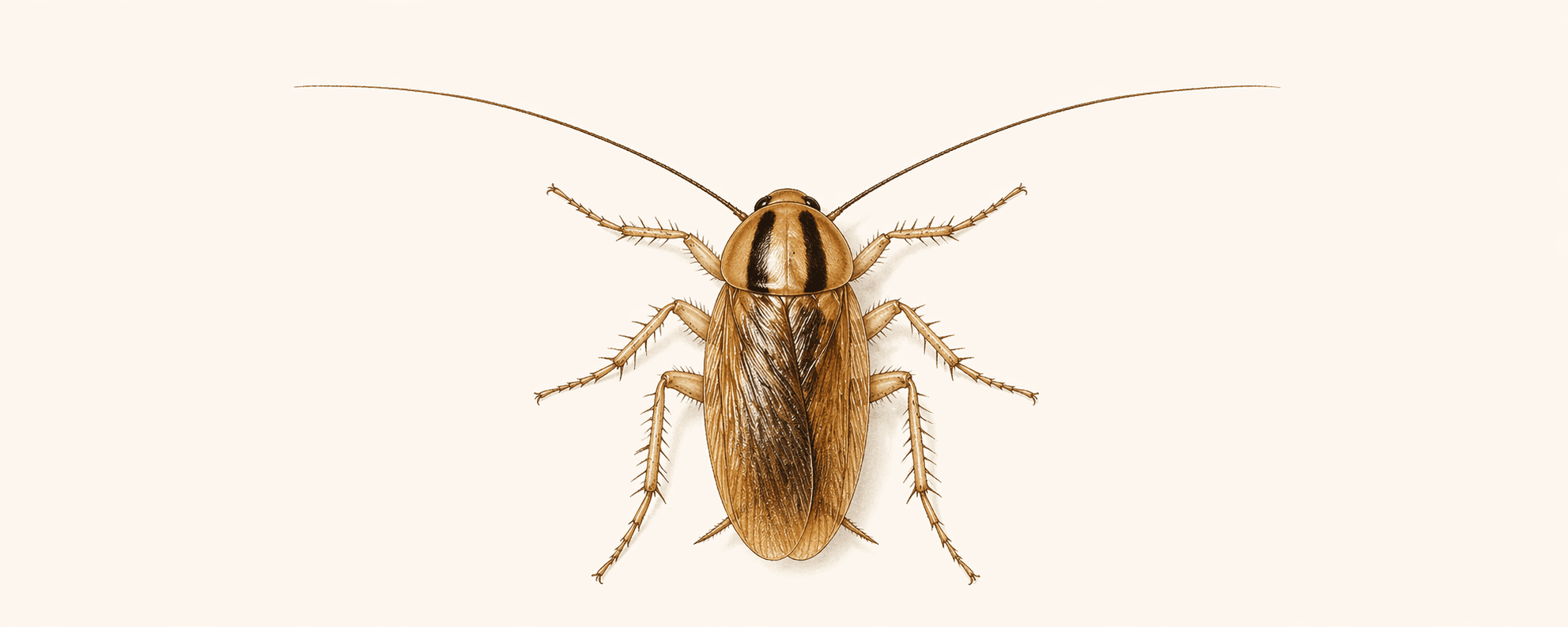
On a yacht, guests enjoy the upper decks; the crew lives below. It is there, in the crew mess, that cockroaches often settle first. Usually located on the lower deck, next to the crew pantry and galley, close to the engine room and the laundry, it offers everything the German cockroach, the most common species on board ships, could wish for. A colony that develops there eventually reaches the main galley, then the guest areas, by following ducts and cable runs. It therefore pays to make the crew mess the most closely monitored area on board.
Why the crew mess combines the risk factors
- Heat: engines, generators, refrigeration compressors and appliances that are always on (coffee machine, toaster, microwave) provide warm hiding places.
- Humidity: condensation, air-conditioning drip trays, and the showers and laundry next door.
- Food at all hours: with watches, crew eat day and night; crumbs, snacks and open packets are never in short supply.
- Hiding places: false ceilings, panels, built-in furniture and cable trays are hard to inspect.
- Provisioning: cardboard boxes, crates of drinks and fruit trays delivered at every port of call are the main way in, along with luggage and second-hand appliances.
- Often limited ventilation, which keeps heat and humidity high.
Signs to look for right now
Cockroaches come out mainly at night. To take stock, switch on the mess lights suddenly after several hours of darkness and watch the corners, the back of the appliances and the cupboard hinges. Also look for:
- droppings resembling ground pepper or coffee grounds in drawers and behind the coffee machine;
- small brown capsules, the oothecae, which contain the eggs, stuck in nooks and crannies;
- pale moulted skins and a persistent musty smell;
- catches on the monitoring sticky traps.
A cockroach seen in broad daylight generally signals an already large population.
What the crew must not do
Reaching for a shop-bought aerosol or fogger is the worst reflex in a confined space: it exposes the crew to chemicals in a poorly ventilated room, contaminates food surfaces, does not reach the oothecae and drives cockroaches into neighbouring panels, the galley and the cabins. Do not move an infested appliance to another area either, and do not wait for the end of the charter in the hope that the problem will sort itself out.
The prevention routine that protects the mess
- Unpack on the quay: cardboard does not come aboard; goods are transferred into clean crates and inspected on delivery.
- Store all dry goods in airtight containers, including the crew's snacks.
- Clean behind the appliances every evening, along with the toaster's crumb tray, the coffee grounds container and the fridge seals.
- Hunt down water: leaks, condensation, and the traps of little-used showers, which need refilling with water.
- Manage waste in closed bins, taken ashore as soon as possible.
- Monitor with sticky traps placed at fixed points, checked and logged every week.
Audit and protocol: how MPS treats a crew mess
Everything starts with a free audit on board: visual inspection, species identification, mapping of hiding places and entry points, from the mess to the galley and the cabins. The personalised action plan takes your charter and port-of-call schedule into account. The intervention is discreet, at times that protect the yacht's operations, and the team can arrive without distinctive signs, alongside in Monaco as well as in Riviera ports from Antibes to Menton. Treatment is graduated: mechanical measures first, then, where necessary, approved biocidal products applied as close as possible to the hiding places, with an HACCP-compatible protocol for the galley. You then find the electronically signed report, with photos, and the treatment certificate in your client area, ready for an audit or for your insurer.
In high season, an active infestation or contamination of a food area triggers our 24/7 on-call service from the very first phone call, with a call back within 6 hours, 7 days a week.
Before the next charter, have your crew mess audited
Captains, chefs and chief stewards: the best time is between two programmes or during the winter yard period, ideally as part of a pre-charter audit. A WhatsApp message to the same number is enough to arrange a technician's visit, and our yachting page presents our whole approach on board.
Request your free quote or call +377 37 70 70 02: reply within 6 hours.
Frequently asked questions
- Why do cockroaches appear in the crew mess first?
- Because it combines heat, humidity, food at all hours and plenty of hiding places, often close to the galley and the provisioning route. It is the area to monitor first on board.
- Can you intervene during a port call in Monaco?
- Yes. Our interventions are discreet, scheduled at times that protect the yacht's operations, and the team can arrive without distinctive signs. The on-board audit is free: call or send a WhatsApp message to +377 37 70 70 02.
- What should we do if cockroaches appear in the middle of a charter?
- Do not spray anything: store food in closed containers, set sticky traps and photograph the evidence. An active infestation triggers our 24/7 on-call service from the first phone call, with a call back within 6 hours.